Tungsten Price Change
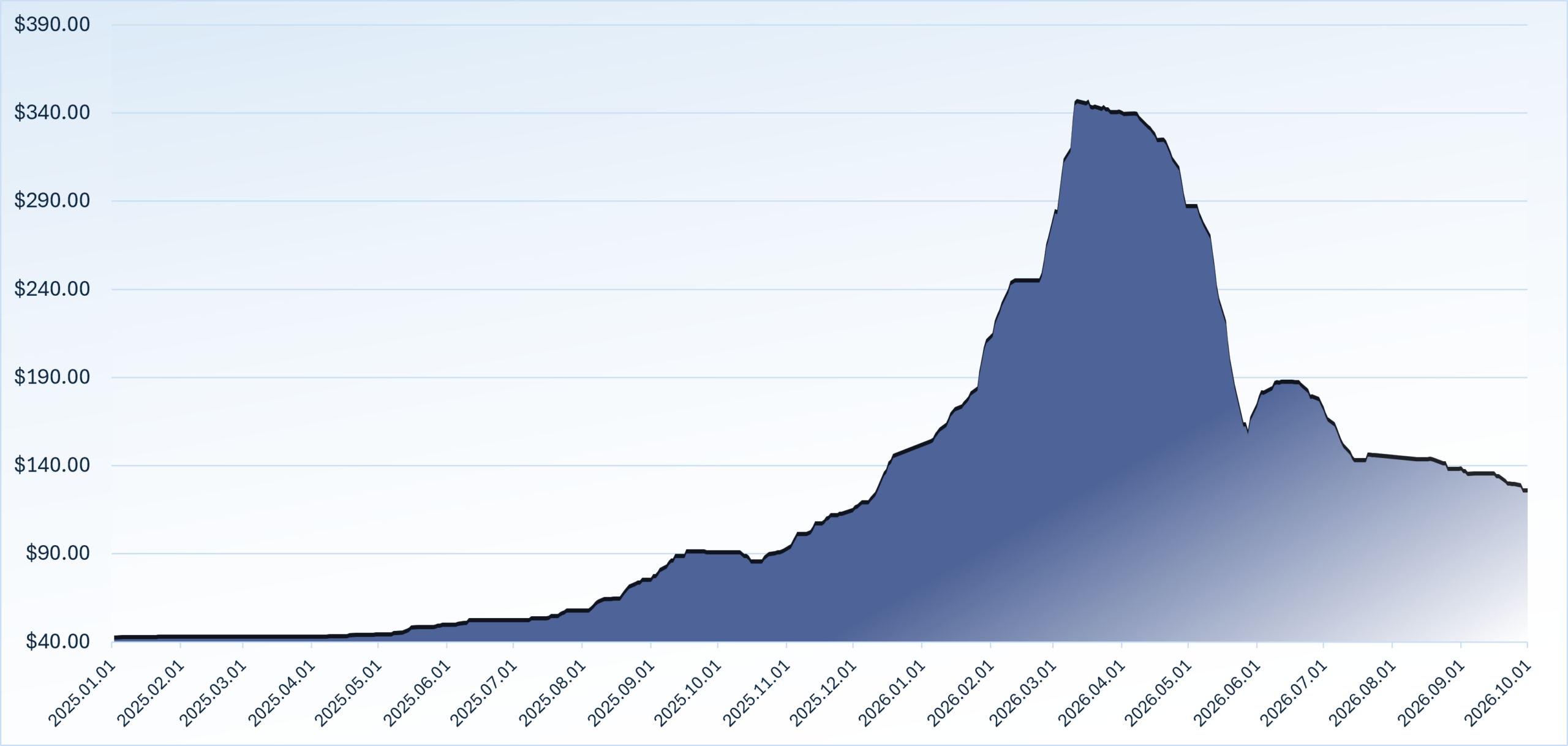
In 2025 tungsten prices exhibited a sustained and substantial upward trend, which continued and even intensified through 2026. From the middle of 2025 onward, the market was consistently characterized by robust demand and persistently tight supply. Which resulted in dynamic and accelerated price increases.
Following the brief market pause during the Chinese New Year holiday, tungsten prices recorded particularly striking and explosive gains.
Overall, starting from 2024 levels, prices of tungsten products have dramatically surpassed historical norms. In numerous cases, long established price levels which were familiar over many previous years have multiplied by 8-9 times or even more in certain segments.
Starting on March 11 2026, the sharp rise in tungsten prices came to a halt, prices began to stagnate. Later it even started a continuous decline during this time of the year.
Tungsten Price Trend: 2025 to Today in USD/kg
Tungsten Price Trend: Last 3 Months in USD/kg

In 2025 tungsten prices increased significantly. The price of raw materials such as 65% tungsten concentrate (wolframite) in China and on international markets roughly doubled or even rose more sharply compared to the previous year. This was mainly driven by a tight supply restricted mining quotas, and strong demand from industrial and strategic applications around the world.
Prices of processed tungsten products such as ammonium paratungstate (APT) and tungsten powders also rose markedly throughout 2025 in many cases reaching record highs. Manufacturers metal processors, and major industrial users continued to compete for limited supply amid sustained demand.
The market trend was further reinforced by constrained global supply chains particularly due to China’s dominant role as a producer. Export restrictions and production quotas frequently pushed prices upward.
Due to the Chinese New year holiday in 2026 tungsten price increases paused from approximately February 13 to February 23, as trading and production in China largely halted. After the holiday prices surged sharply in late February as demand, tight supply, and bullish sentiment drove a rapid correction and upward adjustment following the brief pause.